
How Much Does Culvert Installation Cost in Texas?
A national cost guide puts professional culvert installation at $1,000 to $9,000. The guide, updated in July 2026, puts the average job around $4,500. The spread depends on the length and type of pipe and the driveway material.
A second national guide prices culverts or drains on a gravel driveway at $500 to $2,000. These are market numbers from national cost guides, not our price list. In Texas, the county’s rules on pipe size and permits move the number too.
How much does a driveway culvert cost?
The pipe itself is only part of the bill. The first guide lists pipe-only prices for a 24 inch pipe in a 20 foot length. Plastic runs $700, and aluminum or galvanized steel runs about $800.
| What the national guides price | Published figure |
|---|---|
| Professional culvert installation or replacement | $1,000 to $9,000. |
| Average professional job | Around $4,500. |
| Culverts or drains on a gravel driveway | $500 to $2,000. |
| Plastic pipe, 24 inch by 20 foot, pipe only | $700. |
| Aluminum or galvanized steel pipe, 24 inch by 20 foot, pipe only | About $800. |
The first guide says its range usually includes resurfacing the part of the driveway over the pipe. It may not include rock or other material to line the ditch. Ask what each quote covers before you compare them.
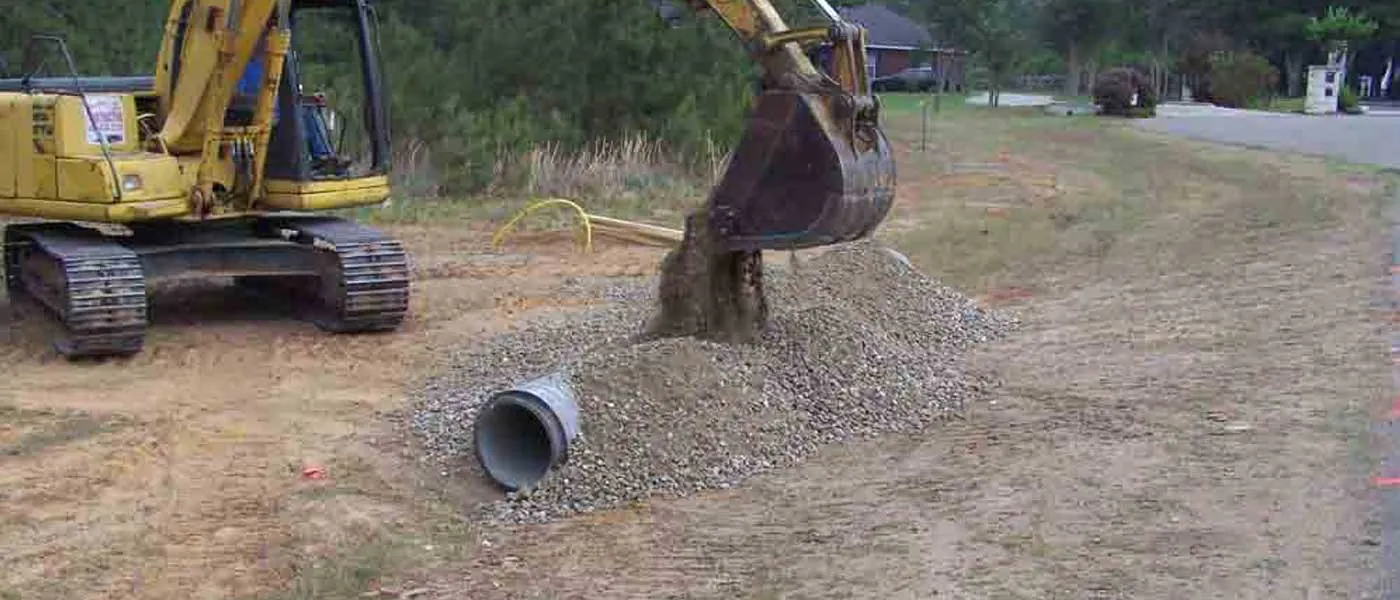
Global Contractors LLC handles driveway culvert installation from our yard in Pleasanton, south of San Antonio. We set the pipe and backfill it, then shape the ditch back.
What drives the cost of culvert installation?
- Pipe size and length. A wider, longer pipe costs more to buy and needs a bigger trench. Around San Antonio, county minimums often set the size.
- Pipe material. Concrete pipe is heavy and takes more manpower, one guide says. Plastic is lighter and easier to install.
- End treatments. Bexar County requires concrete end treatments at every culvert crossing. Comal County caps culvert end treatments at a 3:1 slope.
- Depth and cover. Bexar County sets the culvert at least 9 inches below the top of the driveway. It cannot sit more than 12 inches down unless the pipe maker says otherwise.
- The drive over the pipe. The base and the surface go back on top of the culvert, and that material is part of the price.
- Access. A deep ditch or a busy road adds time and care to the job.
- The permit. A drive onto a public road often needs a permit, with a fee and an inspection.
What size culvert do I need?
Bexar County requires a culvert when a drive can only meet its slopes by raising the bar ditch bottom. One national guide calls a 10 or 12 inch pipe typical for a driveway. Bexar and Wilson counties set the floor higher, so get the size from the county before you buy pipe.
- Bexar County. The inspector sets the culvert size on a site visit. An owner or contractor may hire an engineer with drainage experience to design the crossing instead. The minimum is 15 inches, though a 12 inch arched pipe may stand in.
- Wilson County. The minimum is 18 inches unless the commissioner or a designee approves otherwise.
- Comal County. The County Engineer approves the size of a drainage opening. Drainage in the side ditches cannot be altered or impeded.
- Atascosa County. Its commercial driveway standards want the drain way to pass a 10 year storm without water reaching the road.
Plastic vs metal vs concrete: which culvert pipe is best?
Culvert pipe usually comes in aluminum, galvanized steel, plastic or concrete, one national guide says. Each one has a trade-off.
- Galvanized steel suits high traffic, but it is prone to rust, which can create weak spots.
- Aluminum and plastic will not rust, but neither is as strong as steel.
- Plastic is light and easier to install, so the guide suits it to low-traffic areas.
- Concrete is durable and suits high traffic, but the heavy pipe takes more manpower.
The county may make the choice for you. Bexar County accepts corrugated metal, concrete or an approved equal. Wilson County allows only corrugated metal pipe or reinforced concrete pipe.
Do I need a permit for a culvert in Texas?
Usually, if the drive meets a public road. The pipe goes in the road’s right of way, so the road’s owner has the first say.
- Bexar County. Public Works controls all construction in county-maintained right of way, including driveways onto county roads. The permit is $35 per driveway. Once it is issued, you call the county inspector to approve construction.
- Comal County. A drive built or changed in the public right of way needs a PIPROW permit first. A $25 application fee applies under Order 566.
- Wilson County. Construction in a county road’s right of way requires a permit. The application lists $250 for a permanent driveway and $750 for a commercial one. The county can order an unpermitted culvert removed or repaired at the landowner’s expense.
- Atascosa County. Its commercial driveway standards, adopted in 2018, set a $500 fee for a commercial drive. The culvert is not set until the county approves the flow line elevations. It is not backfilled until a county inspection checks the elevation and grade.
Those Atascosa standards say residential and agricultural driveways do not require permits. A drive serving five or more homes on one tract counts as commercial, though. The county can still check how a drive ties into the road, so call first.
On a state highway, TxDOT’s access management manual sends you to the local district office for a Form 1058 permit. The property owner or an authorized representative applies. No work starts in the right of way until the fully executed permit is in hand. TxDOT also needs 24-hour notice, and its inspector reviews the driveway.
Whoever digs also has to notify Texas 811. The Texas Utilities Code counts mechanized digging 16 inches or deeper as excavation. Notice goes in at least 48 hours ahead, not counting weekends and legal holidays. It cannot go in more than 14 days early.
Who pays for and maintains a driveway culvert?
Usually the property owner. One national guide says the owner is responsible for driveway culverts in most cases, but local rules decide.
Comal and Wilson counties make the applicant fully responsible for building and maintaining the culvert. Comal’s order also puts the cost of maintenance and repairs on the applicant. For commercial drives, Atascosa’s standards put the cost of material and installation on the property owner, along with maintenance.
A rusted-out or damaged culvert is usually not worth repairing, the guide says. A replacement takes less time and will likely last longer.
Who installs driveway culverts around San Antonio?
Global Contractors does culvert installation across San Antonio and about 50 miles around the city. We bring the excavators and dump trucks from our yard in Pleasanton. Shaping the ditch and the drive is dirt work, and base and gravel come in by dump truck hauling.
We file the 811 ticket before we dig and point you to the right permit office. We look at the ditch and the road first, and the price comes in writing. Call (253) 606-9497 for a free estimate.