
Land Clearing
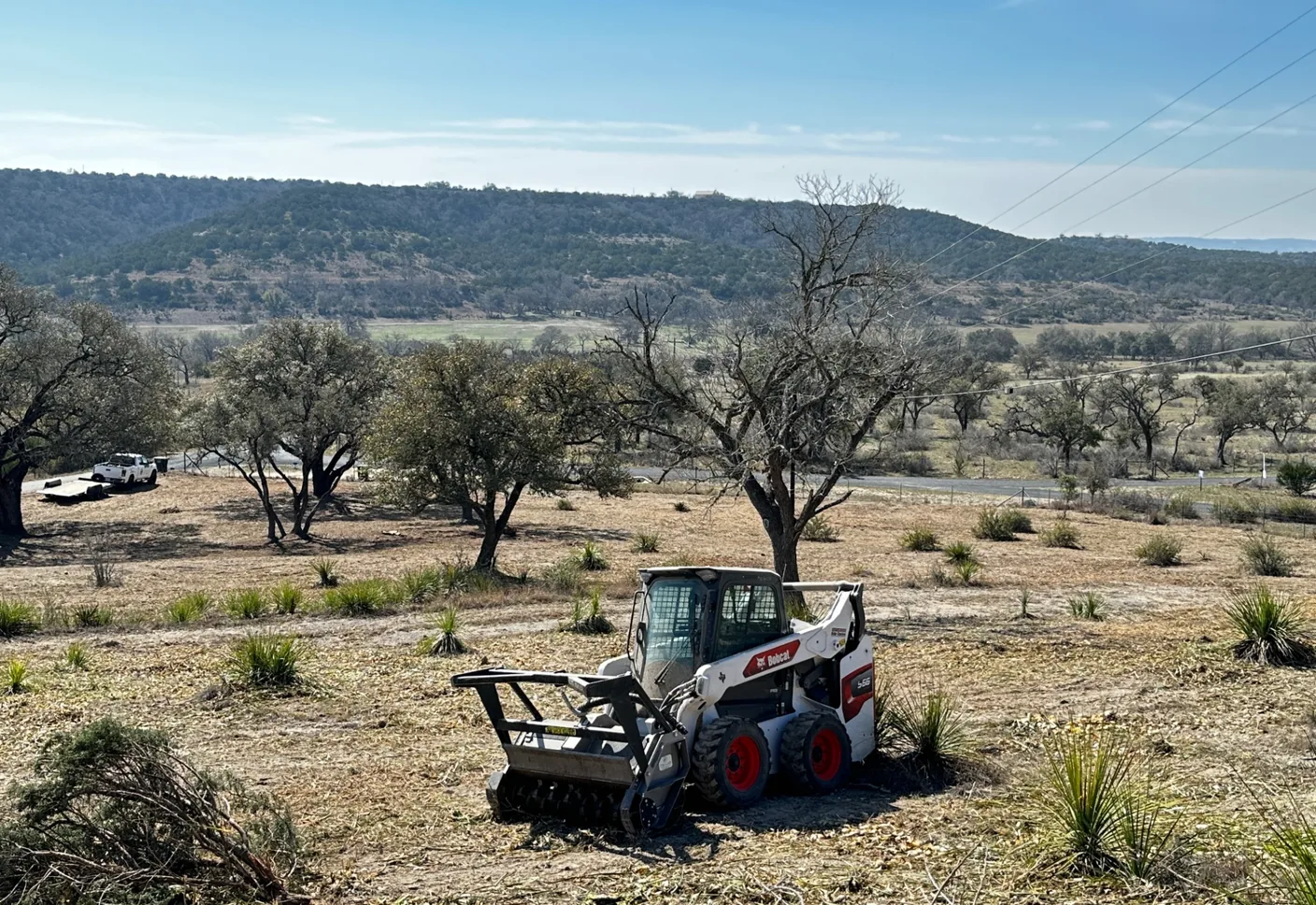
Land clearing services for lots, acreage and ranch land around San Antonio. We clear brush, mesquite, cedar, trees and stumps with excavators, skid steers and a forestry mulcher.
Learn More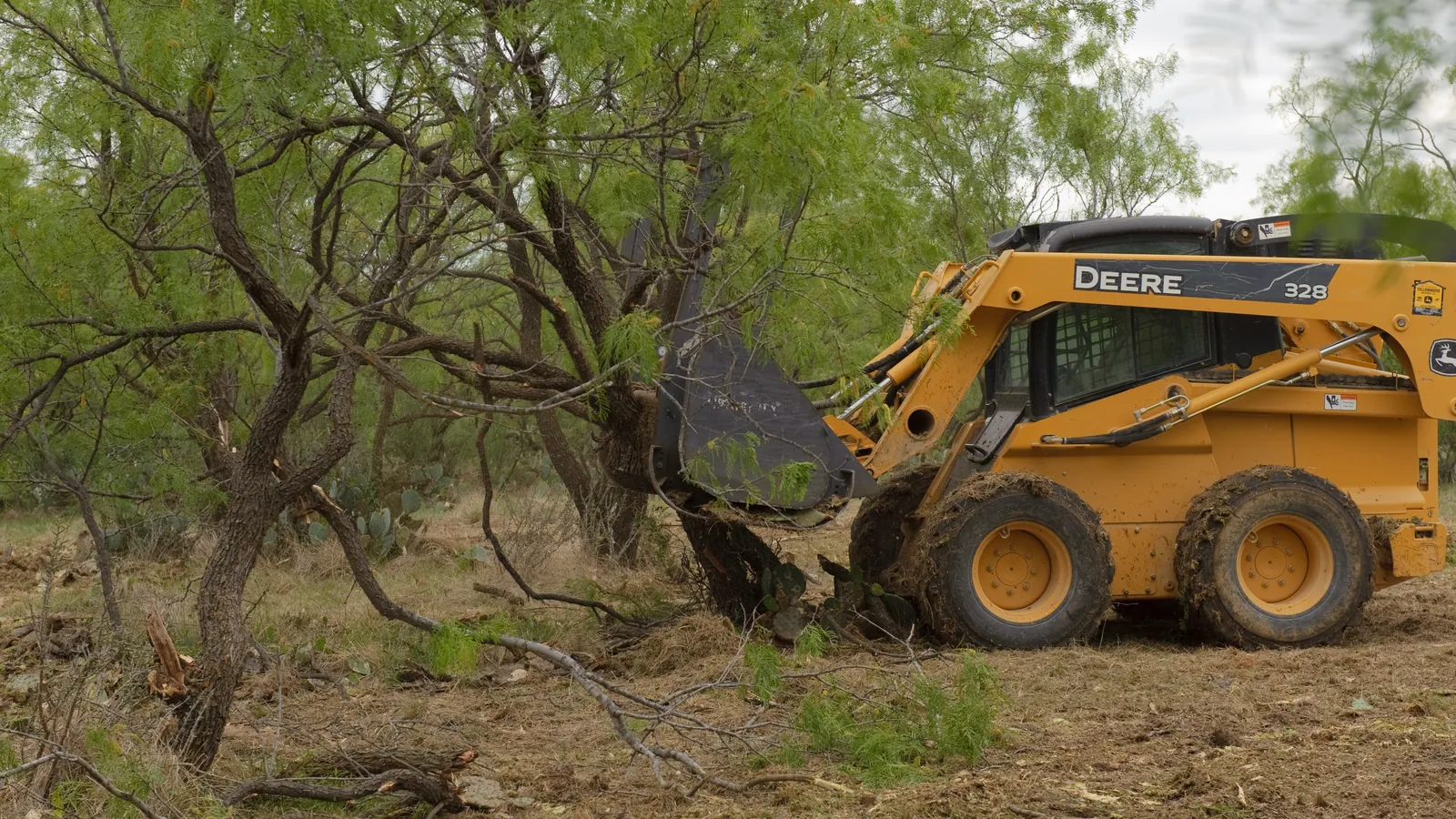
Mesquite grubbing pulls a mesquite tree out of the ground with its root crown attached. That matters because mesquite sprouts again from a bud zone under the soil when its top is cut off. Texas A and M AgriLife says a tree grubbed out below that zone is much less likely to resprout. We grub mesquite across San Antonio and about 50 miles around the city.
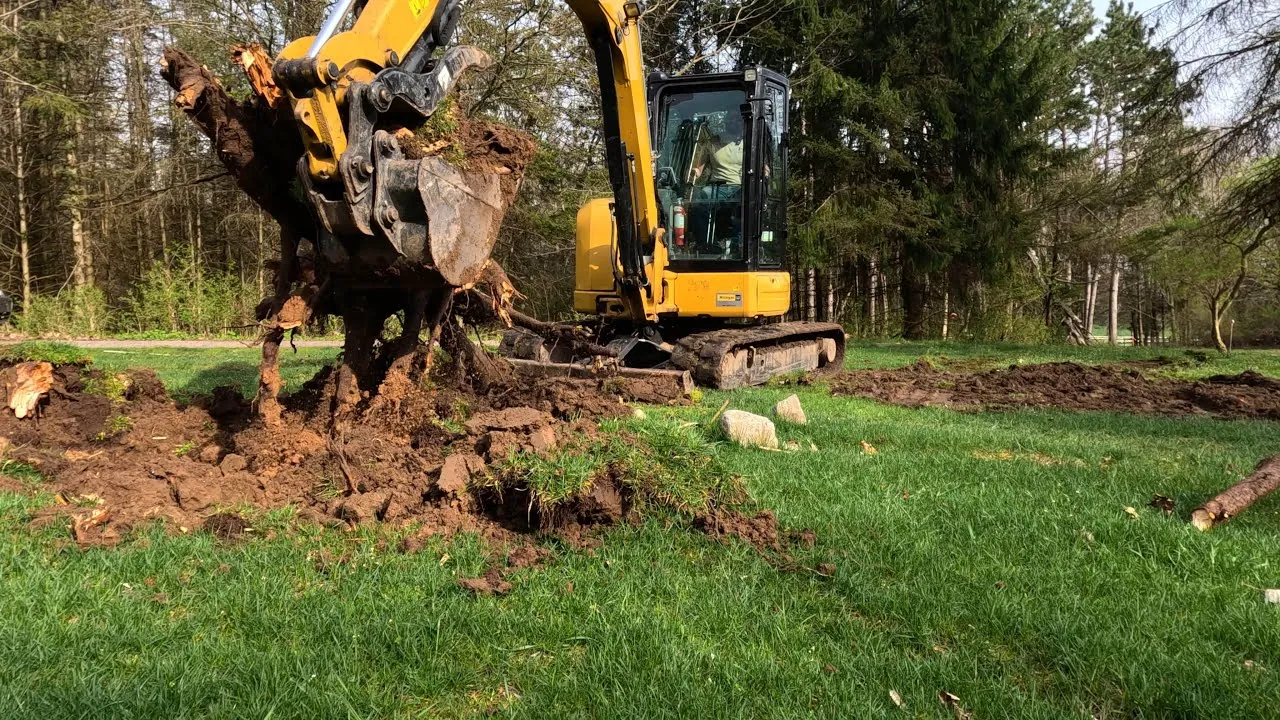
Global Contractors LLC has done excavation and sitework since 2006 and is based in Pleasanton, south of San Antonio. Our excavators pull the trees with a bucket and a thumb, and skid steers and dump trucks handle the cleanup. When a whole tract has to come off, that is land clearing instead. Call (253) 606-9497 and we will come look at the trees.
Tell us about the job. We will get right back to you.
The goal of every pull is the whole root crown. AgriLife says leaving any part of the bud zone behind can let the tree resprout. So the excavator bucket digs beside the trunk and under the crown first. Then the thumb grips the trunk and the tree comes up with the crown attached.
AgriLife's grubbing guide describes hand tools such as grub hoes. It says grubbing is most effective on small to medium mesquite. Our method is the excavator, which takes on bigger trees and whole pastures. Skid steers follow to stack the trees, fill the holes and smooth the ground.
Grubbing with an excavator is digging, so the Texas 811 notice comes first. State law counts mechanized digging 16 inches or deeper as excavation. The notice goes in at least 48 hours before the dig, not counting weekends and legal holidays.
Texas A and M researchers describe an underground bud zone on mesquite. It produces resprouts when the parts above ground are removed or damaged. Shredding, mulching and cutting all take the top and leave that bud zone in the soil.
A young mesquite grows with one stem or a few unless its top comes off. The same researchers say decades of top-kill treatments turned many stands of few-stemmed trees into multi-stemmed resprout thickets. Grubbing goes after the crown instead of the top.
Cedar is the other way around. Texas A and M calls Ashe juniper a non-sprouting species, so cut cedar does not resprout from the crown. That makes forestry mulching a good fit for cedar, while grubbing fits mesquite. Thinning the brush under trees you keep is underbrushing, a lighter job.
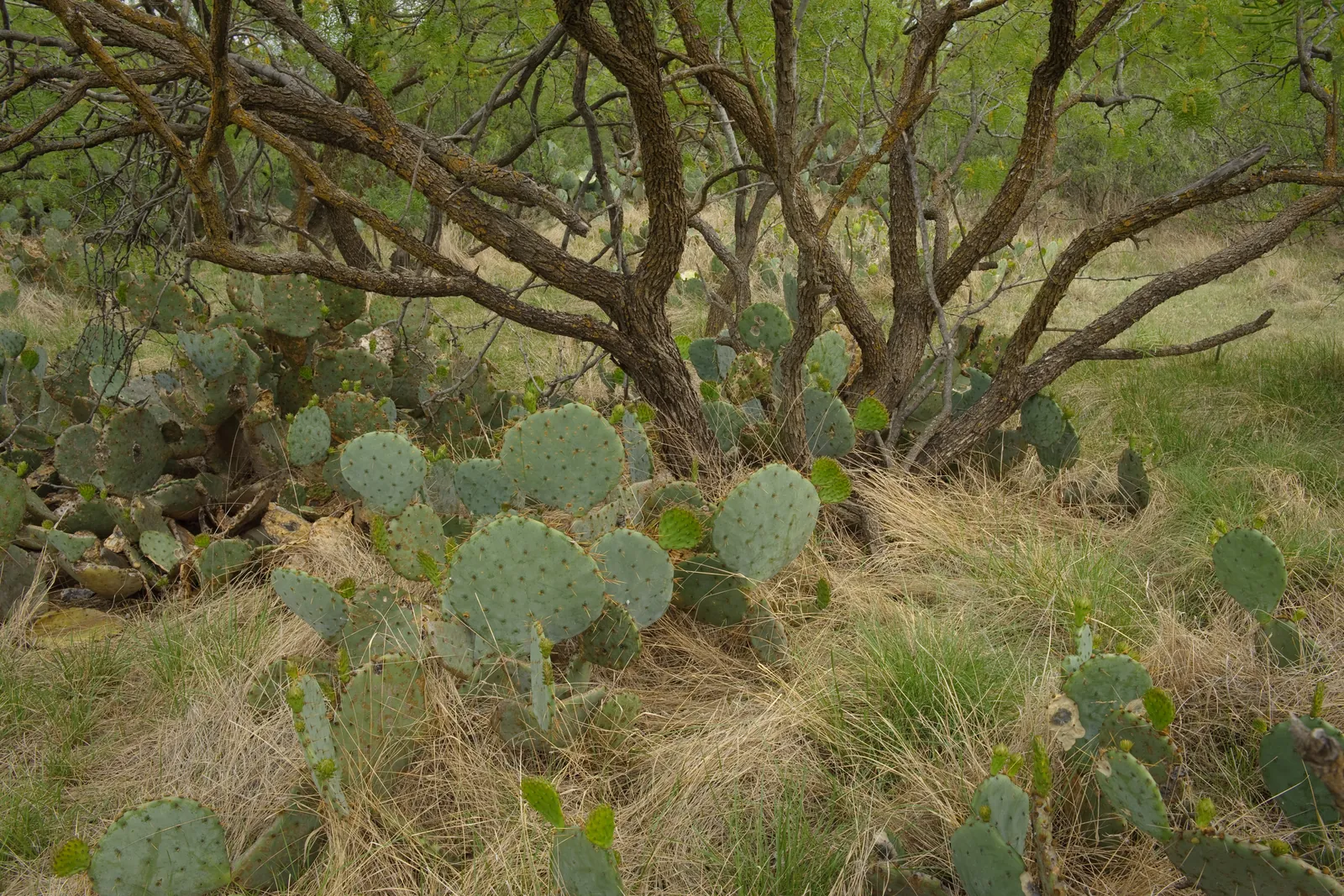
The Handbook of Texas places Atascosa County, home to our Pleasanton yard, in the South Texas Plains. It lists thorny shrubs and trees such as mesquite there. In Wilson County, the Handbook says the soils support grasses, mesquite, post oak and live oak.
AgriLife says dense mesquite competes with grass for sunlight, soil moisture and nutrients. Over time that can cut forage and grazing capacity. AgriLife names where grubbing is especially useful: scattered trees, fence lines and food plots. It also fits ground where herbicide is not practical or wanted.
We grub mesquite across Atascosa, Wilson, Frio, Karnes, Medina and Bexar counties, on pasture, fence lines and hunting land. On brush land, grubbing takes the mesquite out of a home site or building pad ahead of site preparation.
Free estimates and site visits across San Antonio and about 50 miles around the city.
(253) 606-9497From the first call to the final grade, here is how it goes.
Call (253) 606-9497 and tell us what the site needs: a lot cleared, a house down, a pad built. We ask enough questions to know what machines the job takes.
We drive out and read the ground: access, slope, trees, utilities, what is standing and where the dirt can go. On a build we go through the plans with you.
The scope and the price go in writing, broken out so you can see each part of the job. Estimates are free, and so is the site visit.
Permits and utility locates come first where they apply, including the Texas 811 call before anyone digs. Then the excavators, the trucks and the mulcher go to work.
Spoils get hauled off or spread on site, and the ground is graded before we pull off. We go over the finished job with you while the equipment is still there.
Common questions about mesquite grubbing across San Antonio and about 50 miles around the city. If yours is not here, call and ask.
Land clearing services for lots, acreage and ranch land around San Antonio. We clear brush, mesquite, cedar, trees and stumps with excavators, skid steers and a forestry mulcher.
Learn More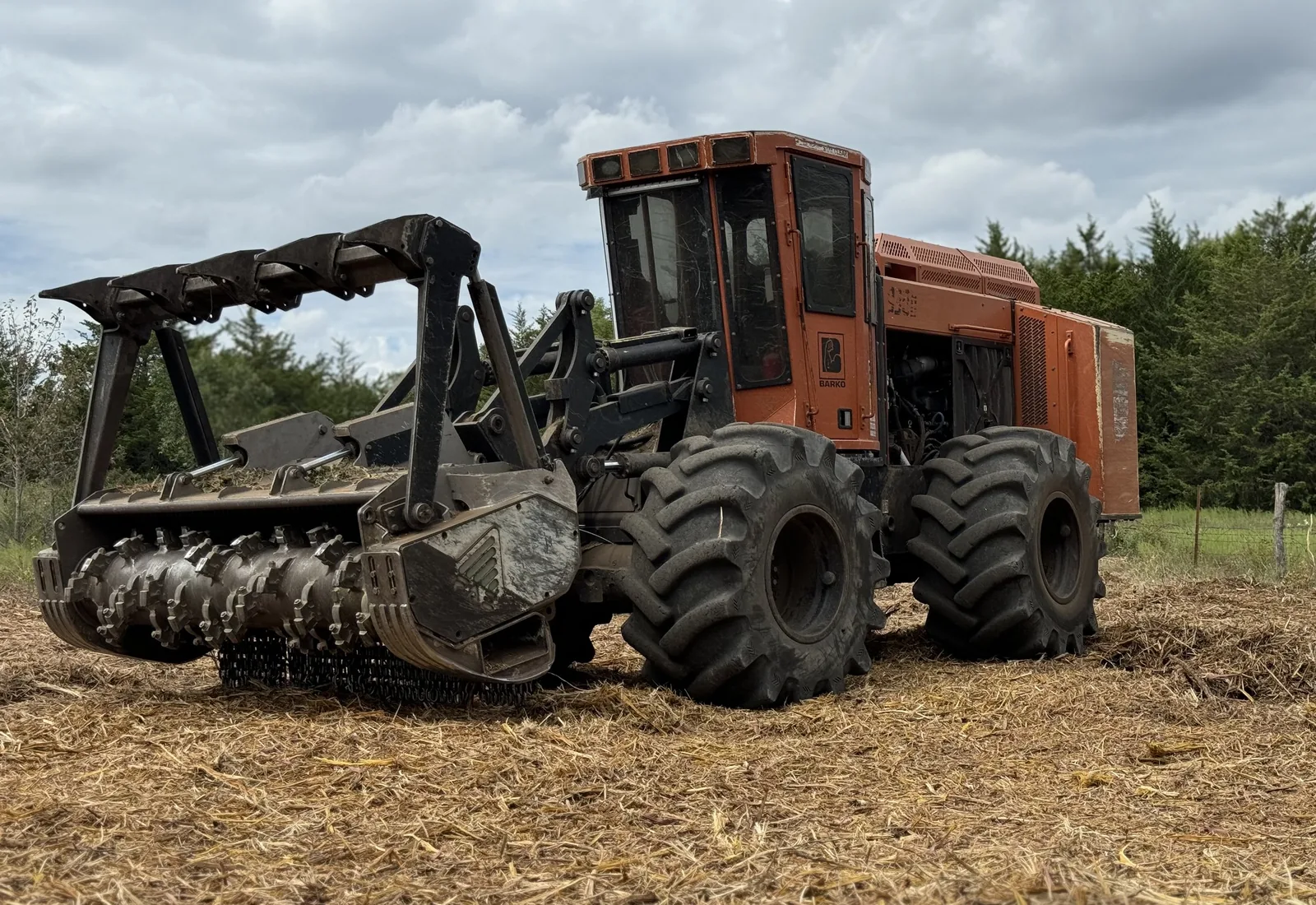
Forestry mulching grinds cedar, mesquite and brush into mulch right where it stands. The chips stay on the ground as cover, so nothing leaves the property.
Learn More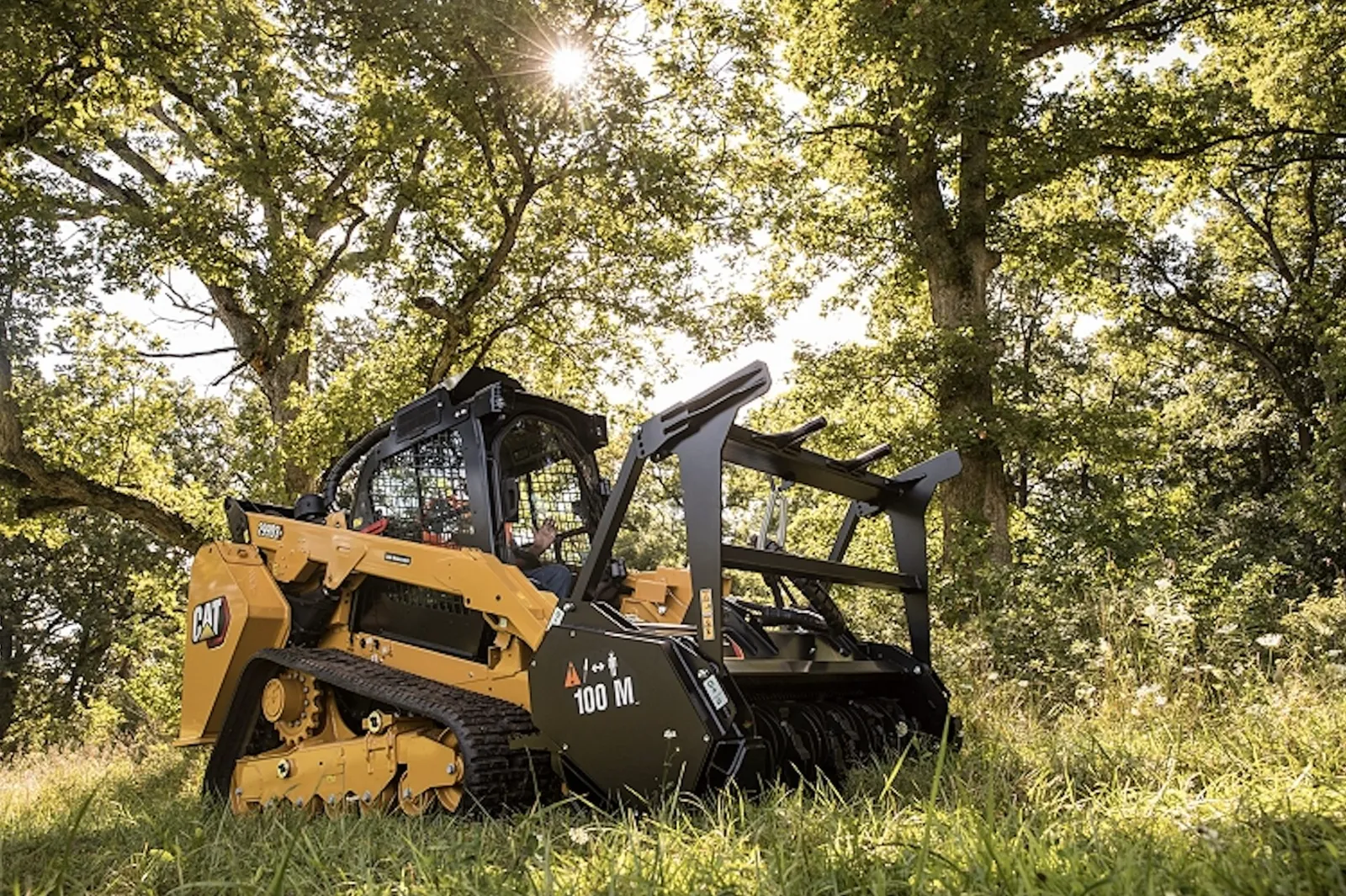
Underbrushing clears cedar and brush out from under the trees you want to keep. The canopy stays, and everything cut is ground into mulch on the spot.
Learn MoreGlobal Contractors has been on commercial and government job sites since 2006, from airport excavation to county and school projects. That background comes with us on a single driveway or a full development site.
Excavators with thumbs and demolition attachments, dump trucks, skid steers and a forestry mulcher. The machines and the trucks are ours, so one call covers the equipment the job takes.
Clearing, demolition, excavation, utility trenching, hauling and the finish grade run under one scope. That keeps the job on one schedule with one number to call.
Call and we come up from the Pleasanton yard to look at the job. The estimate is free and the quote reaches you in writing, with the scope spelled out.
Tell us where the property is and what needs to happen: a lot cleared, a slab out, a pad built. Call (253) 606-9497 or send the form, and we will line up a time to come look.
Tell us about the job. We will get right back to you.