
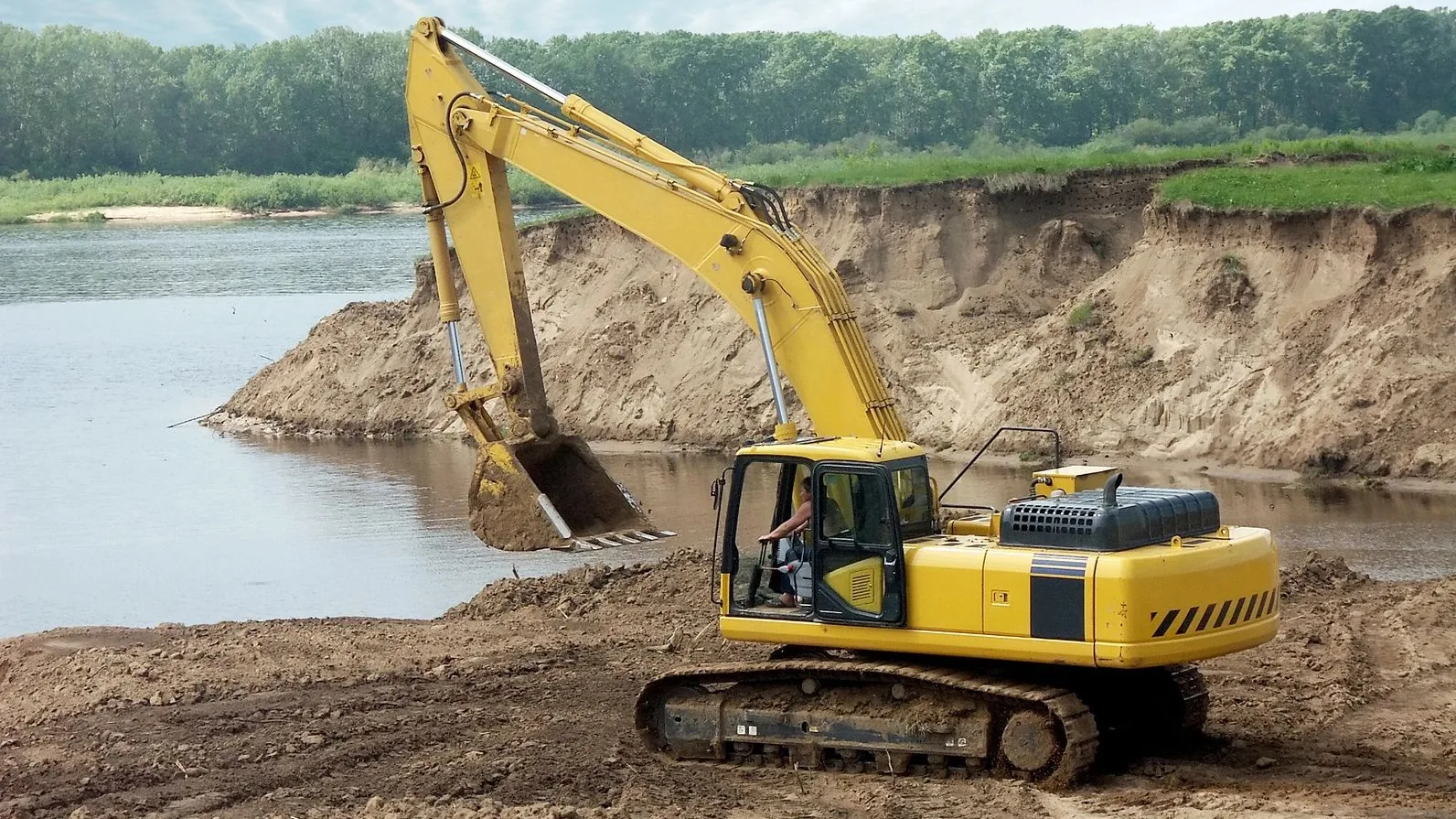
How Much Does It Cost to Build a Pond in Texas?
A national cost guide puts building a pond at $2,900 to $15,600 on average. A farm pond or stock tank averages $3,000 to $23,000. Priced by size, ponds under 10 acres run about $3,000 to $15,000 per acre.
Those are national market numbers, not our price list. Where a Texas pond lands depends on its size, the ground, the brush, the dam and where the dirt goes. We price pond construction after we look at the site.
What does a pond cost by size?
The national cost guide prices ponds by size and by the kind of job. Match the row to your pond.
| What is being priced | Published range |
|---|---|
| Building a pond, average | $2,900 to $15,600. |
| Farm pond, average | $3,000 to $23,000. |
| Quarter acre pond | $1,800 to $8,100. |
| Half acre pond | $2,400 to $11,600. |
| 1 acre pond | $3,000 to $15,000. |
| 2 acre pond | $6,000 to $30,000. |
| 4 acre pond | $12,000 to $60,000. |
| Ponds under 10 acres, per acre | $3,000 to $15,000. |
| Ponds over 10 acres, per acre | $1,200 to $6,800. |
| Digging a large pond, per cubic yard | $1.50 to $4.00. |
| Digging a small backyard pond, excavation only | $300 to $3,200. |
Past 10 acres, the per-acre rate falls to less than half. The guide describes a typical farm pond as a quarter acre to 5 acres and 6 to 12 feet deep. It has an earthen dam and a spillway that carries storm runoff around the dam.
How much does it cost to dig a pond?
The guide prices digging two ways, and each fits a different job. Digging a small backyard pond averages $300 to $3,200 for the excavation alone. Digging a large pond runs $1.50 to $4.00 per cubic yard.
Cubic yards add up fast. One acre dug one foot deep is about 1,613 cubic yards of dirt. At the large-pond rate, each foot of average depth on an acre runs roughly $2,400 to $6,500.
A Texas A and M Extension publication describes two kinds of pond. An excavated pond is dug into flat ground, so nearly all of its volume gets dug out. An embankment pond uses a dam on sloping ground to hold water mostly above the old ground line.
A USDA pond handbook notes the landform can often form the pond with minimum digging. A pond dug out of flat ground can run past the per-acre averages. The dam adds cost of its own, since the handbook brings dam fill up in layers about 6 inches thick. It warns that with too small a spillway, a well-built dam will probably fail in the first big storm.
One more trap: the guide also quotes $2.50 to $9.00 per square foot. That rate fits small ponds. Stretched over one acre, it would top $100,000, far past the guide’s own one-acre range.
Why do rocky and sandy ground cost more?
The national cost guide says rocky or sandy soils are not ideal for ponds. Either can mean more digging and clay-heavy soil hauled in. The Extension publication gives soils full of large stones a severe rating, because removing stones costs money.
Limestone brings its own risk. The USDA handbook warns that hidden cracks and channels in the limestone can empty a pond in a short time. Its strongest clue for a limestone site is how well nearby farm ponds hold water.
Sand is the other problem. The handbook says coarse sands and sand-gravel mixtures let water through too easily. One fix is a clay blanket over the whole basin and the upstream slope of the dam. The blanket needs soil with at least 20 percent clay, compacted at least 12 inches thick.
On one acre of basin, a 1-foot blanket takes about 1,613 cubic yards of clay soil. Leaky ponds, the Extension publication says, usually sit on a poorly chosen site with fast-draining soil. The guide puts a geotechnical soil report at $1,000 to $5,000.
Does the site need clearing first?
Yes, where brush and trees stand in the way. The USDA handbook lists the dam site, the spillway, the fill dirt pit and the pond bed for clearing. The Extension publication says grass, leaves and stumps stay out of the dam fill.
On Texas ranch land, that can mean mesquite, huisache or cedar. Count on land clearing as its own step before the digging starts. Our post on what land clearing costs per acre has the published ranges. Siting the pond in an opening helps, since the handbook says openings in the brush can spare costly clearing.
Where does all the dirt go?
Every yard of dirt has to land somewhere. The USDA handbook says the dug material can be stacked, spread or removed from the site. Some of it has a job. The handbook puts the most watertight clay in the core and upstream side of the dam.
The rest can be spread to fill low spots or raise a pad. That is dirt work, and it keeps the spoil on your land. The handbook places spoil so its weight does not threaten the side slopes and rain cannot wash it back. Shaped spoil keeps its toe at least 12 feet from the pond’s edge.
When the land has no use for it, dump truck hauling takes it away. That adds truck time and a place to dump it. Spreading it on site skips that trip.
Do you need a permit to build a pond in Texas?
Texas Water Code Section 11.142 lets a person build a dam or reservoir on their own property without a permit. The limit is 200 acre-feet of normal storage for domestic and livestock purposes. The statute says this exemption does not apply to a commercial operation. A separate subsection covers ponds built for fish and wildlife, under its own conditions.
An acre-foot is one acre of water one foot deep. So 200 acre-feet is about a 20-acre lake averaging 10 feet deep. Even the guide’s largest typical farm pond, 5 acres at 12 feet deep everywhere, would hold 60 acre-feet.
The exemption covers the water right only. Floodplain rules, dam safety and federal permits are separate questions. The Texas Commission on Environmental Quality (TCEQ) runs a dam safety program that regulates both private and public dams.
Some small dams on private land are exempt from its safety requirements. The test turns on the dam’s size, its hazard class, the county’s population and city limits. Exempt dams still carry maintenance and operation requirements. Before a big dam goes in, ask the county about floodplain rules and TCEQ about the dam.
How do you get a real number for your pond?
A real number comes from the site itself. The ground, the slope, the brush, the access and where the dirt will go all change it. We look at the site and put the price in writing, and the estimate is free.
Call (253) 606-9497 about pond construction in San Antonio and about 50 miles around the city. We work from our yard in Pleasanton, south of San Antonio.